
The most influential reviews.
The standard of the music industry since 1999.
Marissa Nadler | The Path of the Clouds
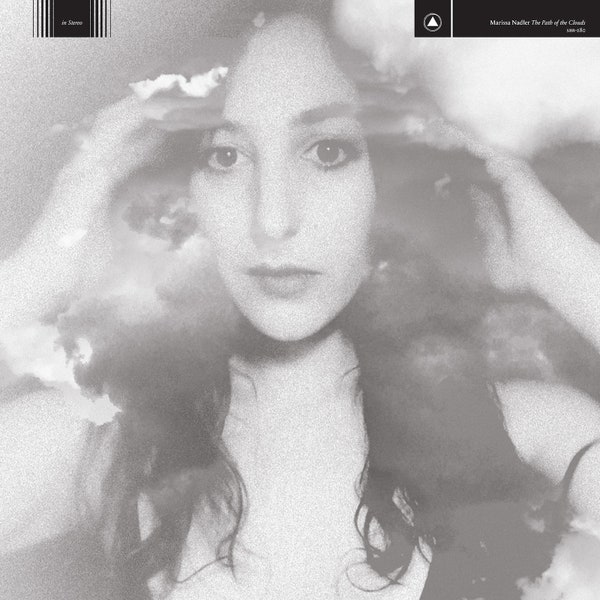
Before there were true crime podcasts, there were murder ballads. The gothic singer-songwriter Marissa Nadler has long held a fascination with the form, populating her songs with characters who died lonely or unusual deaths. “I’d rather watch crime TV than see you again,” she sang on 2014’s July, a threat she’s now followed through with on her latest album, The Path of the Clouds. Following a move from Boston to Nashville, Nadler experienced writer’s block while locked down in her new home, watching Unsolved Mysteries instead of picking up her guitar. Eventually, she began taking notes, hoping the stories would spark inspiration.
On The Path of The Clouds, Nadler doesn’t parody the true crime form, but she replaces its sensationalism and conservative moralism with narratives of control, following the lineage of country songwriters like Dolly Parton and Patsy Montana. Whether singing about the only known escapees from Alcatraz prison (“Well Sometimes You Just Can’t Stay”) or the disappearance of wilderness explorers Bessie and Glen Hyde (“Bessie Did You Make It?”), Nadler projects both universality and specificity onto these stories, exploring what it means to shapeshift, vanish, and start life anew.
The Path of The Clouds is the first self-produced album in Nadler’s nearly 20-year career. Primarily written on piano—an instrument she learned to play during lockdown—the album doesn’t rely on muscle memory; it’s more purposely and musically constructed, as cerebral as it is intuitive. She enlisted a gothy all-star cast to help build the songs, including former Cocteau Twins bassist Simon Raymonde, harpist Mary Lattimore, doomy singer-songwriter Emma Ruth Rundle, and multi-instrumentalist Milky Burgess, who adds a cinematic luster following his contribution to the score for Panos Cosmatos’ psychedelic horror film Mandy. Each of the musicians recorded their parts remotely and without much instruction, emailing files back and forth. The album doesn’t suffer from the strewn approach, however, and the sound is newly textured and symphonic.










COMMENTS
Leave a comment